solution-凯发真人

24 hour service hotline: 0769-83699986
robot thermal management solution

robot thermal management solution

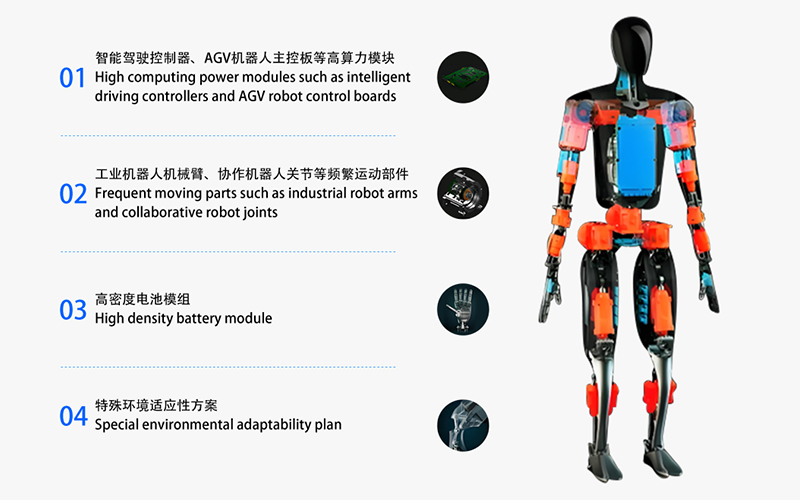
thermal management solutions in the robotics industry need to combine application scenarios, heat source characteristics and system constraints, and adopt a hierarchical design strategy covering materials, structures, active/passive cooling technologies and system optimization. in robot heat dissipation design, the selection of thermal conductive materials needs to comprehensively consider thermal conductivity, structural adaptability, long-term stability, and cost-effectiveness. the following mainly provide corresponding solutions for key robot components.
more
thermal management plan for aviation drones

thermal management plan for aviation drones

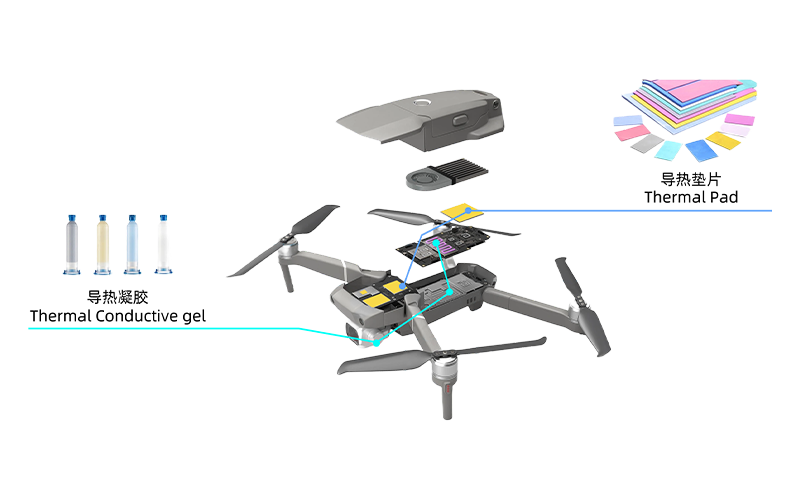
the demand for thermal conductive materials for aviation aircraft focuses on efficient heat dissipation, light weight, structural adaptability, extreme environmental stability, and long-term reliability. the following solutions combine practical experience with spacecraft and low-altitude vehicles (e.g. drones) to propose targeted solutions for different components:
more
thermal management solutions for the new energy industry

thermal management solutions for the new energy industry

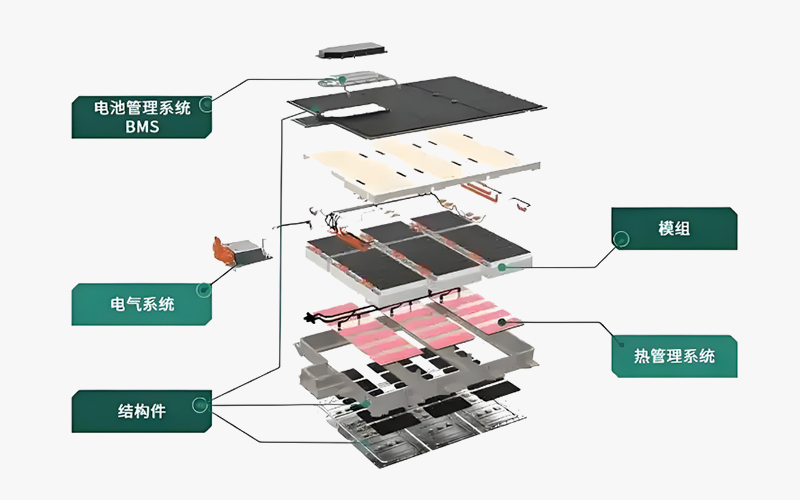
the application of thermal conductive materials in the new energy industry (with new energy vehicles as the core) needs to focus on efficient heat conduction, insulation safety, lightweight, environmental adaptability and cost balance. the following starts from the three major scenarios of power battery, electronic control system, and charging equipment, combined with material characteristics and technological innovation, and proposes targeted thermal management solutions:
more
consumer electronics thermal management solution

consumer electronics thermal management solution

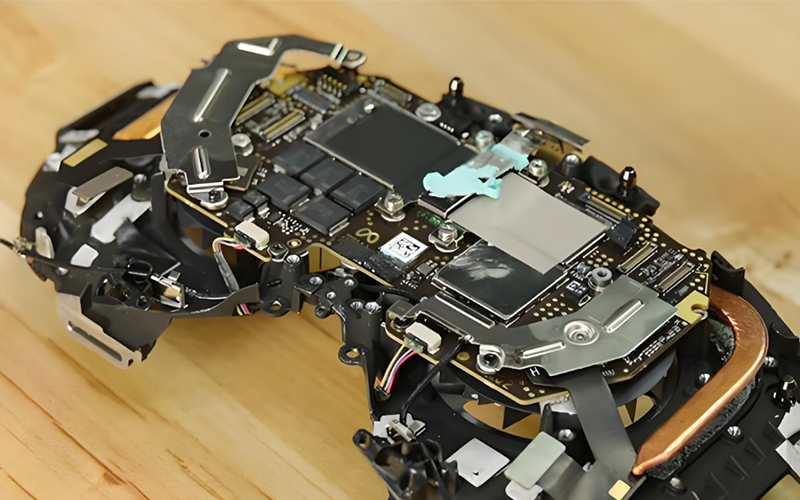
consumer electronics (such as smartphones, tablets, laptops, etc.) have compact internal space and dense devices, and the demand for thermal conductive materials is focused on efficient heat conduction, thinness, insulation, and adaptation to complex structures. the following are the application schemes and case studies of thermal conductive materials for different scenarios:
more
thermal management plan for communication network equipment

thermal management plan for communication network equipment

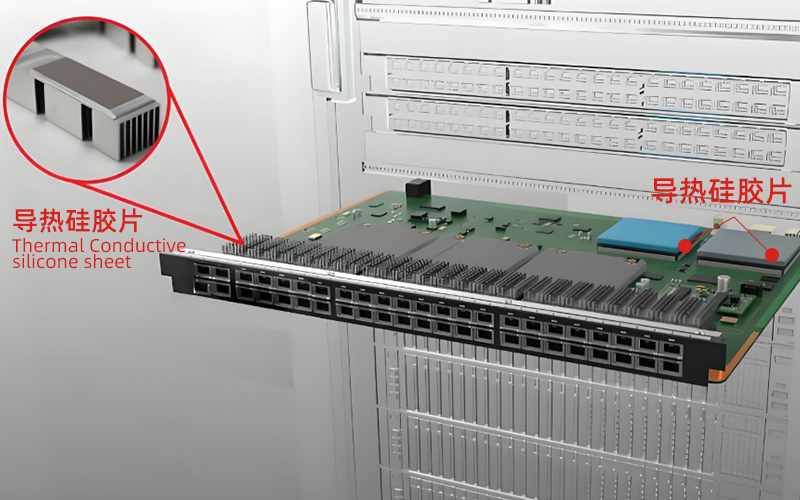
in communication network equipment, the application scheme of thermal conductive materials needs to be comprehensively formulated according to the equipment power consumption, heat flux density, structural design and cost and other factors, the following are the specific application schemes and analysis: 1. low-power devices (such as 5g small cells, routers) application scenarios: the device has low power consumption (<50w), heat flux density < 0.5w/cm², and the heat dissipation demand is mainly natural convection or low air speed air cooling. recommended materials: thermally conductive silicone sheet advantages: the thermal conductivity is 0.8-3.0w/(m·k), which can fill the small gap (0.1-5mm) between the heat sink and the chip, and reduce the contact thermal resistance. it has insulation, shock absorption and moisture-proof properties, and is suitable for complex surface bonding. in the cpu cooling of a home-level router, the cpu temperature drops by 15°c and the network performance stability is increased by 30% after the thermally conductive silicone sheet replaces the failed material.
more
automotive electronic thermal management solution

automotive electronic thermal management solution

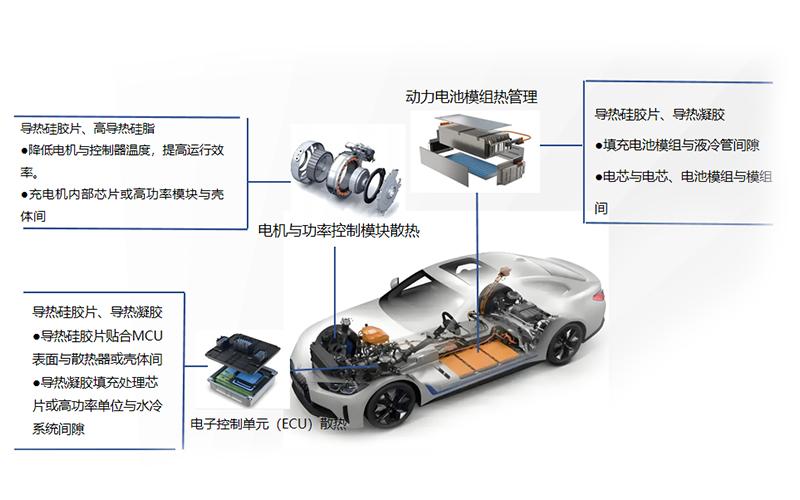
in automotive electronic components, the application of thermal conductive materials needs to be designed based on component characteristics, heat dissipation requirements and working environment, and the following are specific application schemes and analysis: core thermal conductive material types and applicable scenarios 1. thermally conductive silicone sheet characteristics: soft and elastic, thermal conductivity 1~12w/mk, thickness 0.5~5.0mm, fire resistance ul94-v0, insulation thermal conductivity, suitable for low-pressure application environment. application scenarios: battery pack: fill the gap between the cells, improve heat conduction efficiency, and enhance battery life; at the same time, it has insulation properties to prevent strong voltage from damaging the battery system. motor controller (mcu): fills the gap on the surface, reduces thermal resistance, improves heat dissipation efficiency, and ensures the stability of motor operation. battery management system (bms): quickly conducts heat to the heat sink to prevent performance degradation or safety incidents due to overheating.
more

contact

0769-83699986

135-3754-4550(mr. zhu)

business

business 1

business 2

business 3

technology

网站地图