 wechat
 request sample
 home
home
contact
0769-83699986
135-3754-4550(mr. zhu)

the current development direction of thermal management systems for pure electric vehicles includes intelligent electronic control thermal management systems, new layout thermal management systems, new thermal management materials, and thermal management system simulations. this is also a manifestation of the development goal of the thermal management system for new energy vehicles. the effective integration of precise cooling and split cooling through electronic control cooling components is an effective means, and the emergence of new thermal management materials will accelerate the process of modularization and integration of thermal management systems.
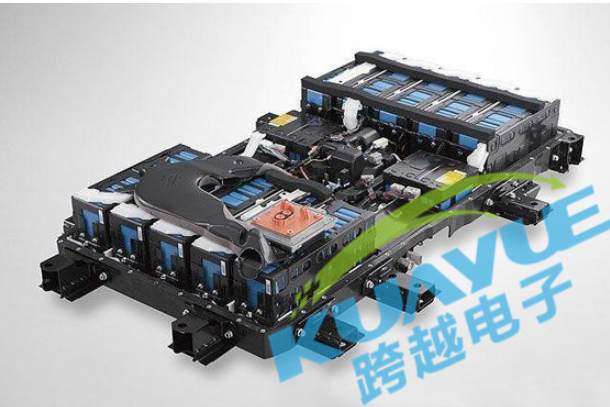
the thermal related issues of automotive power batteries are key factors determining their performance, safety, lifespan, and cost of use. firstly, the temperature level of lithium-ion batteries directly affects their energy and power performance during use. when the temperature is low, the available capacity of the battery will rapidly decay. charging the battery at too low a temperature (such as below 0 ° c) may cause instantaneous voltage overcharging, leading to internal lithium deposition and subsequent short circuits. secondly, the thermal related issues of lithium-ion batteries directly affect their safety.
main functions of thermal management system
the thermal management system for power batteries is one of the key technologies to address thermal related issues and ensure the performance, safety, and lifespan of power batteries.
the main functions of a thermal management system include:
1. effectively dissipate heat when the battery temperature is high to prevent thermal runaway accidents;
2. preheat the battery when the temperature is low, increase the battery temperature, and ensure charging and discharging performance and safety at low temperatures;
3. reduce temperature differences within the battery pack, suppress the formation of local hot zones, prevent rapid degradation of batteries at high temperature locations, and reduce the overall lifespan of the battery pack.
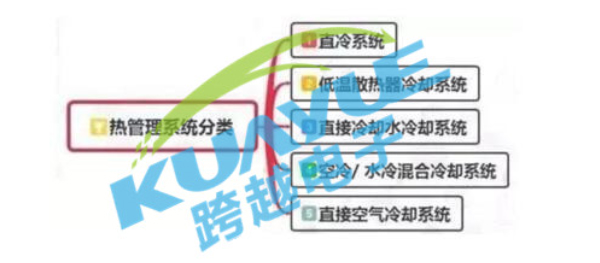
five major classifications of thermal management systems
different thermal management systems have different structures, weights, costs, and control methods of component types, resulting in varying levels of performance achieved by the systems. there are mainly five categories as follows:
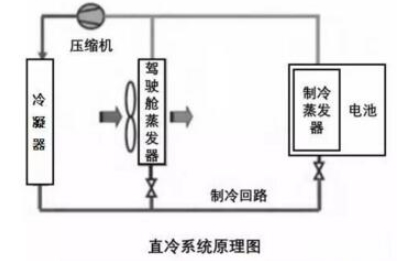
direct cooling system
the direct cooling system has the advantages of compact system, light weight, and good performance. however, this system is a dual evaporator system, without battery heating, condensation water protection, difficult to control refrigerant temperature, and short refrigerant system lifespan.
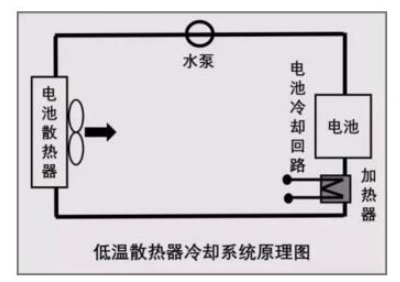
2. low temperature radiator cooling system
the low-temperature radiator cooling system is a separate system of the battery, consisting of a radiator, a water pump, and a heater. this cooling system has the advantages of simple system, low cost, and economic energy saving in low-temperature environments. however, this system has disadvantages such as low cooling performance, high water temperature in summer, and limited application due to weather conditions.
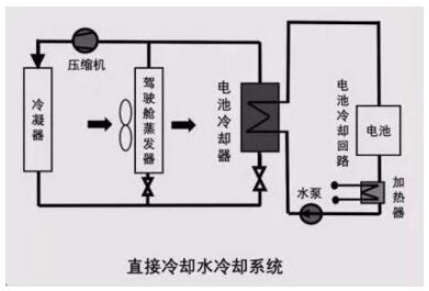
3. direct cooling water cooling system
the direct cooling water cooling system has the advantages of compact system, good cooling performance, and wide industrial application range. however, this system has more components than direct cooling, is more complex, has poor fuel economy, and has a high compressor load. this type of cooling system is currently one of the most commonly used battery thermal management systems.
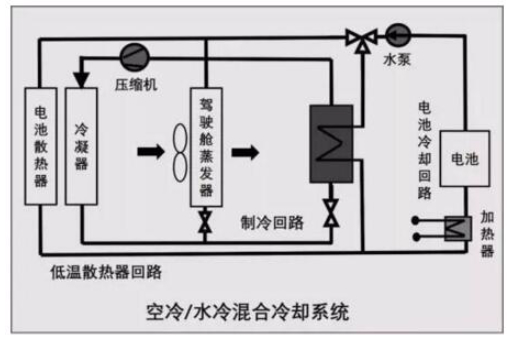
4. air cooling/water cooling hybrid cooling system
there are two key components in the air-cooled/water-cooled hybrid cooling system:
(1) water cooled battery cooler;
(2) air cooled battery radiator.
the air-cooled/water-cooled hybrid cooling system has the advantages of compact system, good performance, and economic and energy-saving in low-temperature environments. however, this system is complex, costly, complex to control, and requires high reliability.
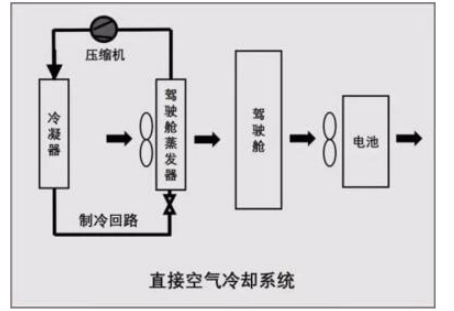
5. direct air cooling system
this system utilizes the low-temperature air in the cockpit to cool the battery.
the direct air cooling system has the advantages of simple system, controllable air temperature, and low cost. however, this system is not suitable for all types of battery cells, as it has a slow recovery after soaking and there is a risk of contamination inside the battery.
(part of the content and image source of this article: haiji technology)







contact
0769-83699986
135-3754-4550(mr. zhu)

business

business 1

business 2

business 3

technology